
Tänapäeva pidevalt ühendatud kultuuris on kiirus muutunud edu mõõdupuuks. Kuid kui äri tempo ületab meie võimekuse stressi töödelda, ei ole tulemuseks ainult läbipõlemine, vaid organisatsiooniline viga.
Oleme varasemates artiklites näinud, et tööstress ja ärevus on nüüd seotud mõõdetavate tootlikkuse langustega. HR juhtide jaoks ei ole ärevuse käsitlemine enam heaolupreemia; see on kestliku soorituse keskne strateegia.
Probleemi lahendamiseks peame esmalt mõistma, mis põhjustab ärevust suure survega keskkondades. Kiiresti kasvavates organisatsioonides või konkurentsitihedates tööstusharudes tekib ärevus sageli kolmest süsteemsest jõust:
When these factors combine, they often produce what clinicians call anticipatory stress: anxiety that appears before a problem even occurs. Employees become hyper-vigilant, using energy to scan for new priorities instead of focusing on their current work. This can lead to reduced concentration, slower task completion, and more frequent mistakes.
Over time, this constant alert state damages focus, creativity, and trust within teams.
For HR leaders, the first step is naming these triggers openly within organisations. Once employees can recognise what is happening, they can begin to adjust how they respond.
While systemic changes require time, HR teams can empower employees with practical tools: small habits that make the workday more manageable and human.
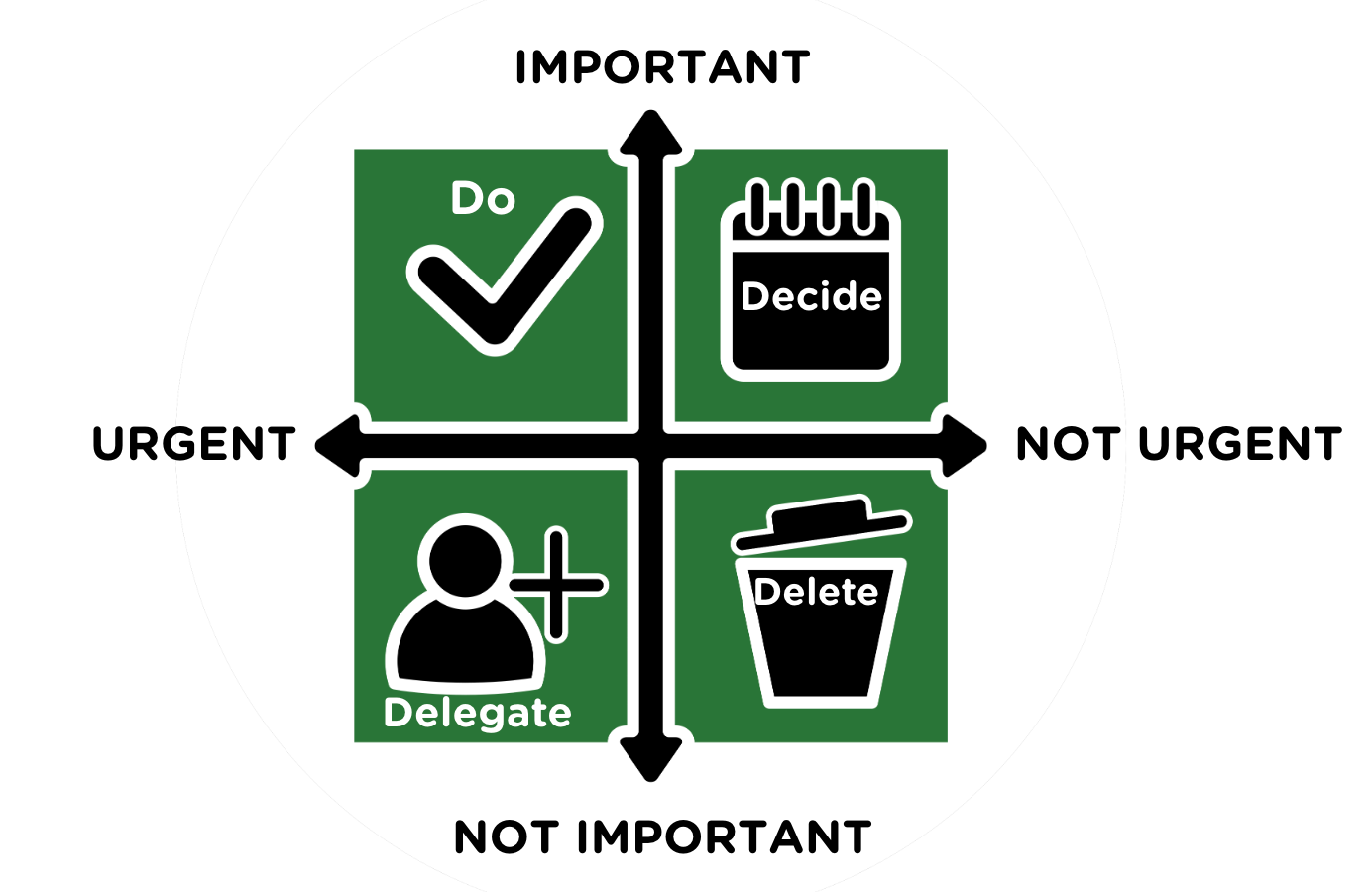
Even introducing one or two of these micro-habits can reshape the emotional rhythm of a workday.
By normalising self-regulation techniques, HR leaders send an important message: rest, focus, and recovery are not signs of weakness; they are essential performance enhancers.
Identifying your three non-negotiable wins is just the start. If you want to reclaim your focus and protect your mental energy, download our guide to habits that actually stick.
Download the 5 Productivity Hacks That Work
Managers play a critical role in transforming high-anxiety environments into sustainable high-performance cultures. This can be achieved through four core practices:
By embedding mental health awareness and evidence-based practices into organisational culture, companies do not lose speed — they gain endurance.
When HR teams and leaders treat anxiety as a strategic performance issue, they protect both their people and their results.
Knowing what to say when a team member is struggling is a skill. Our management workshops and 1:1 coaching provide the script and the strategy to build a culture of endurance.
Explore Siffi’s Managerial Training & Coaching
Is “workplace anxiety” different from general anxiety?
While the biological response is the same (elevated cortisol and heart rate), workplace anxiety is often “situational.” It is triggered by environmental factors like ambiguity, unrealistic deadlines, and hyper-connectivity. Unlike general anxiety, workplace anxiety can often be mitigated by structural changes, such as clear role definitions and “No-Meeting” blocks, rather than just individual therapy.
Why does “perpetual urgency” actually slow down a team?
When everything is a priority, nothing is. High-velocity stress triggers the brain’s amygdala (the “fight-or-flight” center), which shuts down the prefrontal cortex, the area responsible for logic, complex problem-solving, and creativity. A team in permanent “emergency mode” will make more errors and take longer to complete simple tasks than a team with clear, tiered priorities.
How can I encourage “Tactical Breathing” without it feeling “too soft” for our culture?
The most effective way is to frame it as a performance tool rather than a relaxation exercise. High-performance professionals, from elite athletes to Special Forces, use box breathing to maintain cognitive focus under extreme pressure. By rebranding these techniques as “nervous system regulation for peak performance,” you increase buy-in from results-oriented teams.
What is a “Warm Hand-off” and why is it better than a standard referral?
A standard referral often feels like a dismissal: “You seem stressed; call this number.” A “Warm Hand-off” is supportive and integrated: “I’ve noticed you’ve been carrying a heavy load lately. I use our Siffi coaching sessions to help me sharpen my focus when I feel like this. I’d really encourage you to book a session to help navigate this project.” This removes the stigma and frames the support as a professional resource.
Managing anxiety in a high-velocity workplace requires real-time data and accessible support. See how Siffi helps organizations identify triggers and implement the “buffers” needed for sustainable growth.
See How Siffi Protects High-Performing Teams
About the author

Psychology Content Writer at Siffi
Morgane crafts compassionate, engaging content that makes mental health conversations more human and accessible. At Siffi, she combines storytelling with strategy to foster a culture of care and connection in the workplace.
Recent Posts
Take a quick self-assessment to discover where your company stands on mental health readiness
Take the assessment